Exploring the Rich Tapestry of Desi Folklore: Traditional Stories Reimagined for the Web Era
There’s a certain magic in the air when you hear the words 'Once upon a time...'—a timeless phrase that has the power to transport us to another world. For generations, these stories have been passed down orally, painting a vivid tapestry of our cultural heritage. Today, in the age of the internet, these treasures are finding new life online. From the intricate tales of desikahani to the heroic legends of South Asian folklore, the shift from oral tradition to digital narratives is both revolutionary and nostalgic. But how exactly is this transformation unfolding, and what does it mean for keeping these rich cultural stories alive?
The journey of transforming oral tradition into digital narratives starts with one fundamental goal: accessibility. In the past, stories like ‘Panchatantra’ and 'Vikram and Betaal’ were told around bonfires, in homes, and during festive gatherings. The advent of the web has reimagined this storytelling arena, making it possible for anyone with an internet connection to embark on a journey through these timeless Indian stories. Platforms dedicated to desi narratives harness the power of the web to bring hundreds of regional stories to people across the globe in formats as varied as written texts, animated videos, and even interactive web-based narratives.
But it’s not just about making these stories available. The digital age offers innovative ways to engage with these tales. Imagine reading an intricate Hindi story about Rani of Jhansi on your smartphone while on a lunch break, or watching an animated version of a classic Indian folklore on your tablet. Even traditional formats have been given a modern twist, with podcast series bringing to life tales from regional folklore in a way that respects their origins while captivating a new generation. When we think about bringing South Asian stories into the digital era, the possibilities are virtually endless.
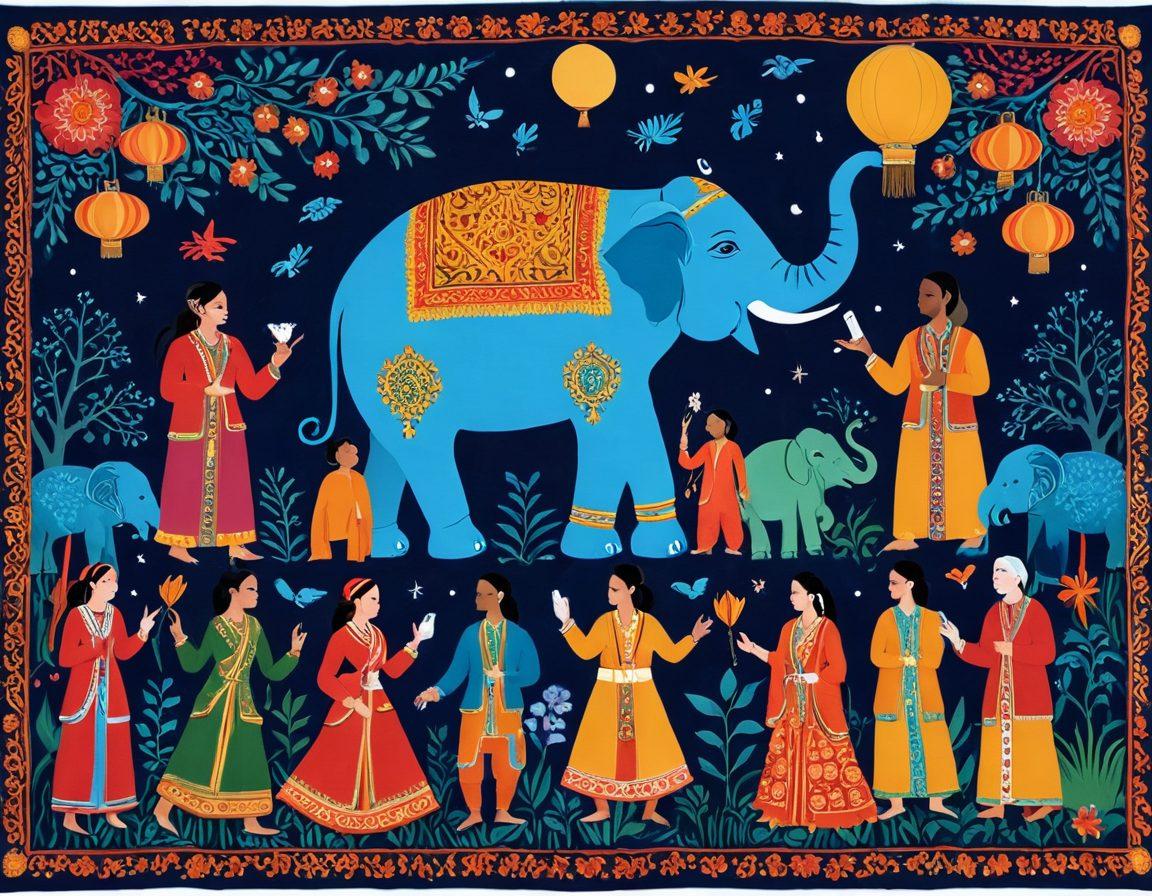
The beauty of digital storytelling lies in its ability to go beyond language barriers. Desikahani and other multilingual stories tap into the diversity of South Asian cultures, offering translations in various languages to cater to a broader audience. Take for instance a short story from Bengali folklore; online, it’s presented not just in its original text but also in Hindi, English, and sometimes even Marathi. This multilingual approach ensures that these ethnic tales and cultural stories can resonate with people from different backgrounds and linguistic abilities, cementing the web as a unifying platform for storytelling.
Ultimately, the transition from oral tradition to digital narratives encapsulates a fascinating evolution of how stories are told and preserved. This transformation ensures that the gems of our history—myths, legends, and historical stories—don’t just survive but thrive in the modern era. By bringing these traditional stories to the web, we are opening a treasure trove of folklore to the world, allowing every reader, listener, and viewer to connect with and be inspired by the rich heritage of desi folklore. So next time you find yourself browsing internet stories, remember that you’re not just engaging with content; you’re participating in a rich, ongoing cultural renaissance.
Reawakening desikahani: How Indian Stories are Finding New Life on the Web
In a rapidly digitizing world, disconnection from cultural roots seems inevitable, but the internet has proven to be a double-edged sword. As modernity charges forward, traditional stories, legends, and myths are finding new ways to stay relevant. The rich tapestry of 'desikahani'—deeply rooted South Asian stories—is undergoing a fascinating transformation, reawakening as they traverse the web. These once purely oral narratives are now chronicled on digital platforms, connecting with newer and broader audiences. But how exactly do these timeless tales find their footing in the web-based narrative landscape?
Desikahani, a broad term representing Indian stories, has long been vital in preserving cultural heritage and moral wisdom. Passed down through generations, these regional stories were often shared around family gatherings or community circles. Today, platforms like blogs, social media, and dedicated storytelling websites give these desi narratives a new lease on life. Remember those evenings spent listening to our grandparents narrating folktales? The same magic is now available online, engrossing a global audience. This easy access rejuvenates Indian folklore, making sure that traditional stories do not fade into oblivion.
The appeal of these online stories lies not just in nostalgia but also in their adaptability. Digital authors blend age-old plots with contemporary issues, creating more relatable and engaging content. For instance, classic tales like 'Panchatantra' or 'Jataka' are contextualized to address modern dilemmas. This fusion makes the narratives not just entertaining but also relevant, fostering a sense of cultural continuity. 'Kahani' sessions are no longer confined to sleepy villages but have become an integral part of global online communities. Blogs and social media posts often turn into forums where people from different cultural backgrounds share similar folklore, enriching the narrative tapestry further.
Think about the sheer diversity within India itself. Regional folklore from states like Bengal, Punjab, or Tamil Nadu includes classic tales, legends, and short stories that are immensely rich in cultural contexts and local flavor. The internet allows these once-regional gems to reach a national and even international audience. Online platforms often feature multilingual stories, making them accessible to varied audiences. The myth of 'Savitribai' from Maharastra or the epic of 'Phulan Devi' from Uttar Pradesh transcends geographical boundaries, entering the lives of readers who might be continents away. The preservation and dissemination of these ethnic tales are crucial for a multicultural society increasingly influenced by globalization.
Yet, the digital world's influence isn’t just about preserving old narratives but also about creating new ones. Fiction, historical stories, and reimagined folklore are emerging as popular genres in the realm of web-based narratives. Young writers and storytellers often use these platforms to experiment, resulting in an evolving form of 'desi folklore'. Moreover, the interactive nature of online storytelling—where readers can comment, share, and even contribute—adds layers to traditional storylines, making them even more vibrant. As we celebrate this digital renaissance, one can't help but wonder: What will the next chapter of our beloved 'desikahani' look like in this ever-expanding web of tales?
Cultural Treasures of South Asia: Exploring Regional Folktales in the Internet Age
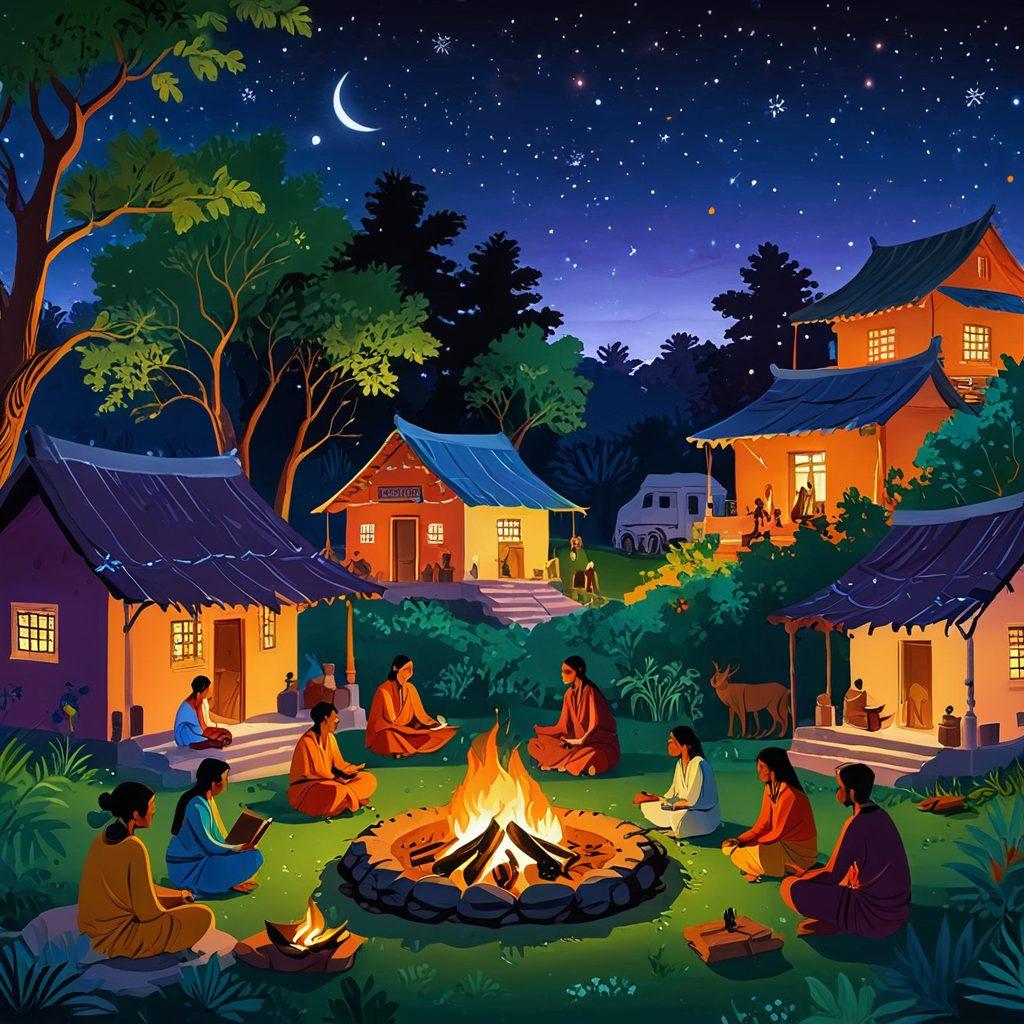
Imagine sitting by a crackling fire under the starlit sky, as an elder in the community weaves tales of gods, heroes, and mystical creatures. This was the traditional way desi folklore was passed down through generations. Today, the web has become our modern-day firepit where South Asian stories continue to thrive and evolve. From desikahani websites to apps dedicated to regional stories, the internet has given Indian stories a second wind, making cultural treasures more accessible than ever.
In the digital age, the narrative of Indian folklore is not just limited to printed books or elder storytellers. Instead, it's expanding onto platforms that allow Hindi stories and other multilingual stories to reach a broader audience. Whether it's through blogs, podcasts, or social media, the internet serves as a dynamic canvas for these traditional stories. One may wonder, 'How does this move online affect the authenticity of these tales?' The answer lies in the beautiful blend of preservation and modern-day relevance. Classic tales are not just surviving but thriving as they adapt to the digital milieu.
Recent years have seen an upsurge in web-based narratives that embrace the rich history and cultural narratives of South Asia. Websites dedicated to desi folklore allow readers to explore a treasure trove of ethnic tales, myths, and legends, often with just a few clicks. Is there a charm in reading these folk stories on a screen? Absolutely! The internet offers flexibility to read, watch, or even listen to these narratives, making them highly relatable and easy to consume. You might find yourself diving into detailed historical stories one moment and coming up for air in a world of playful short stories the next.
Interestingly, the proliferation of online stories has led to the rise of community-led platforms where users can contribute their own versions of traditional stories. This participatory approach breathes new life into old narratives, sparking a sense of collective ownership and revitalizing interest in regional folklore. Who hasn’t found themselves lost in a Reddit thread discussing desi narratives or scrolling through a Twitter thread that recounts a compelling legend? These platforms amplify voices that might otherwise be unheard, ensuring that our cultural stories remain vibrant and relevant.
So, how do we keep the essence of these timeless narratives alive while embracing modern mediums? The answer lies in blending the old with the new. Storytelling has always been an evolving art form. Whether it's through digital comics, animated series, or podcasts, every new format brings a fresh perspective to these age-old tales. The internet-age storytellers are the new guardians of folk narratives, providing a bridge between the past and the present. Embark on this journey of desi folklore; explore, share, and cherish these stories as they take on new forms but continue to carry the soul of our cultural heritage.